-
Posts
486,624 -
Joined
-
Last visited
-
Days Won
719
Content Type
Profiles
Forums
Articles
Videos of the Month
Major Race Contenders
Blogs
Store
Gallery
Everything posted by Chief Stipe
-
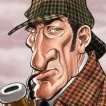 Southland Racing Club at Ascot Park on Sunday. John Langford The Southland RC have used their own money to lift the minimum stakes level to $20,000 on Sunday. https://bitofayarn.com 102 horses are nominated for the eight race card. The Ascot Park race track is currently rated a Heavy 8 with 40ml of rain forecast to fall before Sunday. https://bitofayarn.com Southland RC President Sean Bellew is proud of the way the track surface has played over the last decade. In 2016 the club implemented a $800,000 project to upgrade the track's drainage system to improve the surface performance during wet weather.https://bitofayarn.com “We put vertical drainage in every 5 metres and sand-slit the track in the opposite direction. We spent $100,000 on maintenance machinery including a Verti-Drain from Holland and a couple of lighter tractors for mowing” Bellew said. Bellew along with many other Southland industry participants took offence at the disparaging comment Riccarton trainer Michael Pitman made towards Ascot Park on Trackside on Easter Saturday. “I was disappointed with Mr Pitman‘s comments on television in relation to Ascot Park given the fact that he’s raced less than one percent of the horse population to race at the property over the last 10 years” Bellew said. “I don’t think he’s fit for purpose to make comment regarding the facility and based on what he has viewed from his couch.” Bellew said it was an unqualified statement and he thought it was a personal attack against himself “Play the ball and not the man Mr Pitman.”https://bitofayarn.com Side note: Bellew is unlikely to be on-course this Sunday. He had a heart attack last week and had stents put in his heart yesterday at Dunedin Hospital.
-
To Bravery Born Hong Kong bound To Bravery Born will continue his racing career in Hong Kong. Photo: Kenton Wright (Race Images) Joshua Smith, LOVERACING.NZ News Desk To Bravery Born will continue his racing career in Hong Kong following his recent sale.https://bitofayarn.com Bred by Nearco Stud, the son of Snitzel was purchased by Te Akau Racing principal David Ellis out of Curraghmore’s 2024 New Zealand Bloodstock Book 1 Yearling Sale draft for $200,000. Trained by Mark Walker and Sam Bergerson, he went on to win two of his five starts as a juvenile and placed in the Gr.3 Matamata Slipper (1200m). He made a winning start to his three-year-old term before adding a further win to his tally in December, which was followed by three unplaced runs, including a last-start seventh placing in the $4 million NZB Kiwi (1500m) at Ellerslie on Champions Day. “He has been a really good horse for the stable,” Bergerson said. “He was at all the big dances as a two-year-old and he did a fantastic job this season as well.https://bitofayarn.com “He was there at Taupo at the start of the season and we freshened him up after the Wanganui Guineas (Listed, 1200m) and he went to some pretty good races along the way. He always gave a really good account of himself. It was a pity that he let himself down at the start, but he used to rattle off some really good sectionals late.https://bitofayarn.com “It is sad to see him go, he is a very talented horse, but I am confident he can do well over there for his new trainer and ownership group, and I am looking forward to following his career.”https://bitofayarn.com To Bravery Born won four of his 11 starts in New Zealand and earned just shy of $300,000 in prizemoney.

-
Please elucidate.
-
Both Wexford and TA have 2nd and 3rd generation family members working constantly on it. If you watch Wexford at the sales Lance's daughters are full on filming/interviewing every time Wexford purchases a horse. Just a different level of professionalism. Both stables are renowned for the quality and level of communication.
-
Pondering on this a bit more I guess there is a big difference between Weatherley's misdemeanour and Walkers. David Walker offended more than once betting on horses he was riding and fixing the result. Walker was essentially match fixing and undermining the very core of what makes racing tick. The seven year penalty ended his career. Weatherley's misdemeanour was considerably less challenging to the integrity of racing.
-
Go Racing (Syndicator). Stephen Marsh Kingsclere (James and Wellwood). Lisa Latta Even Kenny Rae Stables are on Facebook!
-
That's not correct. The large stables are on Social Media but they use it for marketing their product and managing the narrative. Of course they don't engage or respond (directly) to the off the wall out the gate derogatory shyte. They are generally to busy running their businesses. Some Racing forums are more akin to Anti-Racing Terrorist organisations than places for robust, polite and educated discussion. As I've said before there is an undercurrent in the industry that os intent on bringing the top down thinking it will raise them up.
-
Sorry @Freda and @Newmarket I realise you wish to blame someone but Leo Molloy didn't start it. He just created a forum where the bitching became more visible. Sadly this crap has always been part of the industry and it has got worse. It seems to be worse amongst those that want a more level playing field - namely one down a their level.
-
HRNZ CEO Brad Steele Resigns - last day 24 April 2026
Chief Stipe replied to paleface adios's topic in Trotting Chat
Then why are 17 key financial analysts say buy? Time to get in @Newmarket . Why wouldn't they get the licenses? Yes there are some headwinds but ENTAIN globally is well placed to pick up or rather mop up many of the bit players in the market. Instead of reading the headlines why don'r you dig deeper and do some analysis. BTW unless you haven't noticed gambling expenditure doesn't drop below a hard deck that remains steady at a minimum level. Even more steady with todays techonology which has enabled gambling to decouple reliance on physical sub-contracted outlets. You may not realise yet but you don't need to go to your local tavern anymore to put a bet on. -
Non Raceday Inquiry – Written Penalty Decision dated 15 April 2026 – Cody Cole ID: RIB63980 Respondent(s): Cody William Cole - Trainer Applicant: Mr R Carr - RIB Investigator Adjudicators: JH Lovell-Smith (Chair), LJ Ryan Persons Present: Mr R Carr - RIB Investigator, Mr D Dow - Counsel for the Informant, Mr C Cole - Respondent, Mr J Cairney - Counsel for the Respondent, Mrs Cole - Respondent's mother Information Number: A17990 Decision Type: Non-race Related Charge Charge: Failed to perform an act ordered by an Investigator in that he failed to provide for a drug test Rule(s): 801(1)(k) - Misconduct Plea: Not Admitted Code: Thoroughbred Hearing Date: 13/04/2026 Hearing Location: Ellerslie Racecourse Outcome: Proved Penalty: Trainer Cody Cole is disqualified for 12 months 1. The Adjudicative Committee after a defended hearing on 17 December 2025, found proved one charge against Mr Cole for failing to provide a urine sample when required to do so by a Racing Investigator in breach of Rule 801(1)(k) of the New Zealand Thoroughbred Rules of Racing (Rules). The Decision of the Adjudicative Committee was delivered to the parties on 30 January 2026. 2. The maximum penalty is: (1.1) Disqualification for a specific period of time or for life; (1.2) Suspension for up to 12 months and/or (1.3) A fine not exceeding $50,000. 3. The relevant evidence and proven facts are set out in detail in the Adjudicative Committee’s decision of 30 January 2026. The RIB’s Submissions Counsel, Mr Dow, set out the facts in brief: • Mr Cole, a holder of a Class A Trainer’s Licence, was performing a safety sensitive activity at Matamata Racecourse on 24 July 2025. • Racing Investigator Richard Carr (Mr Carr) served a Drug Testing Notification form on Mr Cole at 7.39am that morning and explained to Mr Cole that he was required to present to the testing van for testing between 7.30am and 10.30am. • At approximately 8.25am, Mr Cole informed Mr Carr that he was leaving the Matamata Racecourse to drop some horses back at his training premises in Tirau. Mr Carr permitted Mr Cole to leave for this purpose, but advised him that failing to return to provide a sample would likely result in a charge under the Rules. Mr Cole acknowledged this. • At 10.19am, Mr Carr received a text message from Mr Cole containing a video file of Mr Cole holding the lead rope of a horse. In the video, Mr Cole stated that the time was 9.45am, he was dealing with a horse that had gone into a fence and would talk to Mr Carr later to sort out the drug test. • Mr Carr called Mr Cole at 10.30am and 10.32am, but Mr Cole did not answer. Mr Carr sent a text message to Mr Cole at 12.04pm, but Mr Cole did not respond. Mr Carr did not hear from Mr Cole again that day, or in the days that followed. • Mr Cole did not engage with Mr Carr at all until 31 July 2025, a week later when Mr Carr made contact with Mr Cole by telephone. Following that conversation, Mr Carr served a directive on Mr Cole preventing him from entering onto a racecourse until he had provided a negative urine sample. Mr Cole attended at the premises of the Drug Detection Agency on 1 August 2025 (8 days later) and provided a sample, which was negative. 4. Mr Cole defended the charges on the basis that he had a reasonable excuse for not providing a sample as he was dealing with an injured horse. The Committee rejected this defence, finding Mr Cole did not have a reasonable excuse. In terms of penalty, the Informant submits: • A starting point of 12 months disqualification; • A discount for prior good character might be available, although the need for general deterrence must temper any discount; • An order for 60 per cent of the Informant’s costs should be made. Mr Dow referred to the relevant purposes and considerations for breaches of the Rules stated in the Appeals Tribunal’s Decision of RIU v L (13 May 2019) at [25] and [28]. “Proceedings under the Rules of Harness Racing, as is the position of all cases involving professional disciplines are designed not simply to punish the transgressor, but crucially are confined to in cases involving a serious misconduct is for the regulatory tribunal generally to focus on the interest and reputation of the profession as being more important than the fortunes of the individual offending member. The Tribunal must endeavour to reach a proportional balance between: • The public interest • The interests of the offending member • The interests of the professional body as a whole • The seriousness of the offending • Any aggravating and mitigating factors” 5. The relevant purposes relating to drug testing were stated as follows in RIU v Taylor (8 January 2021), in which the Committee adopted the following extract from RIU v Waddell (2025): “The drug testing regime in Racing is an important protection that has been in place for industry participants since 1995. The testing regime is to ensure the safety and welfare of all Licence Holders and horses. A refusal under the Rules to submit to a drug test is a serious breach of the Rules. When a Licenced Holder refuses to provide a sample, the RIB is denied the ability to find out why what, if any prohibited substance is in the Licence Holder’s system. A refusal means the drug test has not been completed and leaves it open as to what the test may have revealed in respect of any illicit drugs. A fair presumption to make for the purposes of determining penalty is to presume that there would have been a positive test for a Class A Controlled Drug. This presumption is important for the purposes of general deterrence and maintaining the integrity of the industry. The consequences of failing to provide a sample must be at least as serious as providing a sample that is positive to a Class A Drug, otherwise those required to test who believe they may test positive for a Class A Drug are incentivised to refuse to provide a sample, thereby avoiding the consequences of providing a positive sample.” 6. In the present case, it is therefore necessary and appropriate for the Committee to consider the penalty that would have been imposed if Mr Cole had returned a positive test for a Class A Drug such as Methamphetamine or Cocaine. A similar presumption applies in relation to drink driving under the Criminal Law in New Zealand. Section 60 of the Land Transport Act (LTA) establishes an offence of failing or refusing to permit a blood sample to be taken when required. The maximum penalty for an offence against S60 of the Land Transport Act is the same as the maximum penalty under S56 for contravention of the breach or blood limit indicating Parliament’s view that failing or refusing to provide a sample is at least as serious as returning a positive test. 7. The Thoroughbred Racing Penalty Guide does not provide any guidance on penalty for a charge of failing to provide a sample. The Harness Racing Penalty Guide suggests a starting point of six months suspension, but has provided limited assistance in the present case, due to the divergence in penalties for this type of breach between the Thoroughbred and Harness codes as discussed in the cases involving refusing to provide a sample. 8. The Committee was referred to the following cases which provide support for a starting point of 12 months disqualification in Mr Cole’s case. Racing Integrity Board v Adrian Bosson Thompson (1 November 2022), Racing Integrity Board v Nicole Thompson (1 November 2022). 9. In Racing Industry Board v Brendon Harrison (3 October 2022), the Committee did not identify a starting point, but imposed a penalty of 7-month disqualification taking into account Mr Harrison’s co-operation, frankness about his Cannabis use and the support from others he was receiving. Given these unquantified discounts, Harrison supports a starting point at the higher end of this range of 12 months disqualification for Mr Cole. 10. The case of the Racing Integrity Unit v Aaron Taylor (8 January 2021) is particularly relevant, as it is the only case identified by the Informant involving a holder of a Trainer’s Licence (as opposed to a Rider’s Licence) who has failed or refused to provide a sample. Mr Taylor, the holder of a Class B Trainers Licence, admitted the charge of failing to provide a urine sample when required to do so by a Racing Investigator under Rule 801(1)(k) of the Rules. The RIU had been conducting routine drug testing at Riccarton Racecourse and served Mr Taylor with a Drug Testing Notification Form as he was carrying out a Safety Sensitive Activity in his capacity as a Class B Trainer. Mr Taylor became agitated when served with the notice and refused to provide a sample due to his belief he was being victimised. Mr Taylor was given an opportunity to speak to his Lawyer, which he did, he refused to provide a sample. Mr Taylor explained to the Committee that there was relevant context to his refusal to provide a sample when he had been tested in 2018 with an initial result of “non negative” subsequent test results confirmed the test was negative. However, Mr Taylor explained that the testing nurse had initially announced that the test was “positive” within earshot of several other members of the Canterbury Racing community, causing word to travel around the country that he had tested positive to a drug test. Mr Taylor said this resulted in severe reputational impacts, including his friends refusing to associate with him and his relationship breaking down. Mr Taylor explained that this distress he endured, was the reason for his refusal on this occasion. A starting point was not identified by the Committee, who imposed a penalty of 12-months disqualification. The Committee noted that the penalty took into account Mr Taylor’s good record in the racing industry and his admission of the breach, indicating the starting point would have been higher than the 12 months. The Committee did not treat as mitigating, Mr Taylor’s subsequent clear test, as it was taken outside the window of detectability of Class A and Class B Drugs, which the Committee noticed is generally reconfirmed as being between 3 and 6 days. 11. It was submitted by the Informant that the same reasons applied to Mr Cole’s negative test taken 8 days later and the case provided support for a starting point of 12 months. Had Mr Cole tested positive for a Class A substance, he would have received a starting point of 12 months disqualification. The penalty for failing or refusing to produce a sample would not be less than that, as to do so, would create a perverse incentive for Licence Holders who expect to provide a positive sample, to simply refuse to do so. 12. A starting point of 12-months disqualification has been adopted in Methamphetamine cases RIB v McDonald & Scott (10 October 2021), RIB v Champion (13 August 2024) and RIB v Moki (16 February 2023). 13. A starting point of 12 months disqualification has also been adopted for Licence Holders who have tested positive for Cocaine including RIB v Mudhoo (22 January 2026) and RIB v Cameron (14 March 2024). These penalties were reduced for mitigating factors. In Mudhoo, 8 months disqualification was imposed as he admitted the charge, his remorse and youth (21 years) and rehabilitation prospects. 14. In Counsel’s submission, these cases all illustrate that Mr Cole would have received a 12-month starting point if he had tested positive for a Class A substance. 15. The Committee agrees that the penalty for failing or refusing to provide a sample, should not be less than that for the reasons explained. 16. Counsel for Mr Cole, Mr Cairney, submits that this case is far from the most serious of cases and that it was a unique case “when the full facts are taken into account” and that “as always context is key”: • Mr Cole accepted large tracts of evidence, responsibly agreed a detailed factual narrative, and accepted key aspects of the allegation. • Mr Cole accepted an RIB Investigator ordered him to present to a van by 10.30am and provide a sample, and accepted that he did not do so. • Mr Cole ensured the issue was narrow. It came down to reasonable excuse and wilfulness, in the context of unchallenged evidence about an extremely volatile injured horse, and Mr Cole’s concern for his workers. While the Adjudicative Committee did not agree with Mr Cole, it was not an unfair position which in Counsel’s submissions, was respectfully and reasonably advanced. • Mr Cole also apologised to the RIB Investigator for not calling him back. • With the benefit of hindsight, Mr Cole expressed his regret that he did not comply with the drug testing requirement. • The Adjudicative Committee acknowledged Mr Cole’s regret at not complying. • In evidence, Mr Cole also apologised for not giving the testing regime more priority. Balancing priorities was in my submission at the very heart of the issue in this case. • Counsel for the RIB submitted that the Committee might find that Mr Cole’s claim of reasonable excuse was mitigatory, being the issues with the volatile and injured horse. If not exculpatory, then those factors are mitigatory. • Further, Mr Cole has been drug tested many times and has never failed a test. • He has also never been before the Adjudicative Committee and, in over 16 years in the industry, has no prior serious racing offences. • Not only does Mr Cole come before the Committee with an unblemished record, but he comes before the Committee with an outstanding record. • The business he created, the training business, employs 17 workers. Of those 17 workers, collectively they have 13 children. In other words, the business Mr Cole created can be said to provide for 30 people. • He has 95 horses under his care. • He is patently a talented, hard-working, and successful young Trainer who has built a thriving training business that the industry ought to be proud of. 17. Counsel for Mr Cole submits that “this case is unique and no other case compares, not in terms of the factual narrative, nor in terms of the individual involved and the likely implications. It is an important hearing unlike any other case that has come before the Committee for penalty.” The consequences, if the RIB submissions are accepted “would be staggering”. 18. It is submitted that the Adjudicative Committee, despite the mitigating context of this case, is being asked by the RIB to disqualify Mr Cole, which on the terms of disqualification as urged by the RIB will end Mr Cole’s business and career, destroying all that he has created over nearly two decades. It will have significant implications for his employees, as well as his family. It is also unclear what would happen to the 95 horses under Mr Cole’s care, should he be disqualified. Disqualification will end his business, destroy his business’s ongoing revenue and result in him being forced to sell his business’s properties (which include his family home) and release his employees. That would be a crushing, disproportionate, unfair, and utterly inappropriate outcome, for an honest and hardworking young man. It is further submitted that the penalty must be determined on the specific facts, then adjusted for the specific circumstances of the person being penalised. The outcome must be just, in all of the circumstances, “a principle which is as old as time”. The disqualification sought by the Informant “would be a crushing, disproportionate, unfair and utterly inappropriate outcome, for an honest and hardworking young man.” 19. Despite what seems to be implied by RIB’s submissions, disqualification is not mandatory. The Rules state the maximum penalty includes disqualification; and/or suspension; and/or a fine. That allows for a fine only, or a suspension only, or a combination of sanctions, for this type of conduct. 20. Mr Cairney submits a penalty of suspension is a serious sanction. When combined with a fine, it is collectively a tough penalty. The fine itself, of $20,000, is a hefty sanction and a considerable deterrent – both specific and general. A combination of a fine and a suspension, along with costs, while a serious penalty in the round, is short of the destruction of Mr Cole’s business, and “thus proportionate to the found non-compliance on that morning on 24 July last year”. 21. Suspension would remove Mr Cole’s ability to train horses. But importantly, the Rules provide that “a trainer whose licence has been suspended, must continue to provide the basic needs of all horses under their care”. It thus removes him from his involvement in training – an appropriate sanction given the relevant findings (and akin to others without horses in their care) – but it does not destroy his business, nor does it have the disproportionate implications of disqualification. It also provides for the continued care of the horses and the continues employment of his workers. 22. Finally, he submits, sentencing in the criminal law is to some extent analogous. A principle of sentencing is that the court must impose the lease restrictive outcome that is appropriate in the circumstances. While not binding, the principle is relevant here. All of the circumstances are important, and the final penalty – or suite of penalties – must be proportionate to the matter before the Tribunal. Discussion 23. The Adjudicative Committee refers the relevant purposes relating to any offending as in RIB v Taylor and RIU v Waddell. In particular, the testing regime is to ensure the safety and welfare of all Licence Holders and horses and a refusal under the Rules to submit to a drug test by producing a urine sample when requested, is a serious breach of the Rules. 24. A refusal means the drug test has not been completed and it leaves it open as to what the test may have revealed in respect of any illicit drugs. Mr Cole had almost three hours in which he could provide a sample, including 45 minutes before leaving the racetrack. He chose not to do so and left the racetrack. He admitted in his evidence he could have done so. 25. Mr Cole made no efforts to complete a drug test and did not respond to Mr Carr’s calls. It is not disputed that a veterinary surgeon was needed to address what she described as superficial injuries to a young, very difficult horse in his care at the property. Mr Cole maintained that he was the only person on his property that could handle the horse. He had sent a photo to Mr Carr showing him holding a lead rope. The Committee did not accept this excuse claimed by Mr Cole as a defence to the charge. Importantly, there is no issue Mr Cole did not contact Mr Carr later that day, or the next day to ask if there was a way to remedy the situation. Mr Cole did not contact Mr Carr in the days that followed nor did he attend a drug testing facility and provide a clean drug test, within the generally accepted detection window. 26. Mr Cole took no action whatsoever, until Mr Carr contacted him a week later and issued a directive prohibiting him from entering a racecourse until Mr Cole undertook a drug test. 27. The Adjudicative Committee refers to RIU v Morgenrood (9 June 2020). The Committee in that case, when considering serious racing offences under the Rules, referred to the Decision in RIU v L, and noted that it calls for the focus to be on the interest and the reputation of the industry, rather than the personal circumstances of industry participants, such as Mr Cole. 28. The Adjudicative Committee has taken into account Mr Cole’s clear record, as he has no previous breaches of the Rules. He defended the charge, which he was entitled to do. Mr Cole claimed he had got his priorities wrong on the day and expressed his regret. The Committee does not regard Mr Cole’s expression of remorse as genuine, given his offending. 29. There have been delays in concluding these disciplinary proceedings. The delay in holding the Non Raceday Inquiry in December 2025, was due to the unavoidable Court commitments of Mr Cole’s Counsel. The subsequent delay in holding the penalty hearing, was due to the information provided to the Committee by Mr Cole’s Counsel, on the day of the hearing, concerning Mr Cole’s health issues. A hearing date had been agreed and fixed for 9 March 2026, to be held at Ellerslie Racecourse. The hearing was due to commence at 1pm. Both Counsel and the Adjudicative Committee were present. Mr Cole’s Counsel then informed the Committee that Mr Cole was unable to attend the hearing, due to very serious health issues that had arisen that morning, and he sought an adjournment, which was not opposed. The penalty hearing was therefore adjourned until 13 April 2026 for these reasons and the Adjudicative Committee requested medical evidence from Mr Cole. 30. Subsequently, Mr Cole’s Counsel informed the Adjudicative Committee that Mr Cole’s instructions were not to provide the Committee with any form of medical or psychological report, as Mr Cole “does not trust the RIB”. This refusal to provide any report in the Committee’s view, means the reasons advanced for the earlier adjournment request remain unsubstantiated and a blatant manipulation of these disciplinary proceedings in order to achieve further delay in concluding this penalty hearing. OUTCOME 31. The appropriate starting point in this case is a period of disqualification for 12 months. This was a serious breach of the Rules. The testing regime is to ensure the safety and welfare of all Licence Holders and horses. The purposes of the penalty are for the general deterrence and the integrity of the industry. 32. His Counsel submissions that Mr Cole’s circumstances are unique, “in particular the volatile injured horse” are rejected by the Adjudicative Committee. Mr Cole declined to provide a sample and the presumption is to assume there would have been a positive test for a Class A Controlled Drug, such as Methamphetamine or Cocaine. 33. The authorities referred to, all support a starting point of 12 months disqualification. In Mr Cole’s case, none of the factors submitted by his Counsel in mitigation, are accepted by the Adjudicative Committee. Whilst Mr Cole is entitled to recognition for his clear record, the imperative of deterrence and the integrity of the Racing Industry are significant factors in undertaking the balancing exercise required in this particular case. ORDERS 34. The Adjudicative Committee makes the following orders: (a) Mr Cole is disqualified for a period of 12 months, to commence at 5pm on 15 April 2026, on the conditions which have been agreed upon by the Racing Integrity Board and Mr Cole, which are set out in a separate Memorandum between the parties dated 14 April 2026, a copy of which is attached to this Decision and forms part of the order for disqualification. (b) Mr Cole is ordered to pay 70% of the costs incurred by the Racing Integrity Board in respect of these proceedings, that amount being $13,843. (c) The Adjudicative Committee costs will be fixed by the Adjudicative Committee. APPLICATION FOR EXEMPTIONS 35. In the event of a disqualification, Mr Cole seeks an exemption from the application of Rules 1104(1)(f) and (j). Specifically, he wishes to engage in “early education of young horses” or “pre-training”, and additionally he seeks the ability to earn an income through his business, Arion Equine Ltd. The reasons advanced by Mr Cole, in support of his application for exemptions, are essentially those advanced to this Committee, as grounds for not imposing a disqualification. He says disqualification would significantly harm his business and likely lead to unemployment for his staff. The result, it is submitted, would be manifestly unfair, and would be an excessive punishment, which will destroy his business entirely. 36. The effect of a disqualification on Mr Cole is spelt out in Rule 1104(1) of the NZTR Rules, which is set out below. The grant of a Licence to train, as is the case in many professions and other endeavours that apply Rules and regulations to their members, is a privilege not an entitlement. 1104(1) A person who is disqualified in accordance with this Part XI, or whose name appears in the list of disqualifications of Another Racing Authority shall not during the period of that disqualification: (a) enter or run any horse for any Race, either in his own name or in that of any other person and subject to Rule 525(7), every entry theretofore made by him or of a horse in which he has any interest for a Race to be run shall be void as from the date of disqualification; (b) train any horse or ride any horse in a Race or be employed in any capacity in connection with the training or racing of horses; and/or (c) enter or go upon any Racecourse or any Training Facility or other place owned or controlled by any Club or by any consortium or other entity of which a Club is a member or in which it is a participant; and/or (d) have an interest in any horse as Owner or Lessee or act as Racing Manager of a horse. (e) be employed by, or otherwise be engaged to provide any service in any capacity to, a Trainer; (f) participate in any way in the preparation of any horse for racing or training; (g) conduct, participate or assist in any way with thoroughbred breeding; (h) attend or participate in thoroughbred horse sales or related events; (i) permit, engage or authorise any other person to conduct any activity associated with thoroughbred racing, training, breeding, thoroughbred horse sales, or the preparation of any horse for racing or training, for or on behalf of the disqualified person; (j) receive any direct or indirect financial or other benefit derived from thoroughbred racing or breeding; (k) transact a bet or have a bet transacted on their behalf, have any interest in or share in any bet, or receive a benefit from any bet placed with a licensed wagering operator in connection with any thoroughbred Race Meeting. An Adjudicative Committee has the power to grant exemptions in respect of some of the prohibitions specified in the above rule. Rule 1104(4) provides: An Adjudicative Committee imposing a disqualification may, in its sole discretion, exempt a person on whom a disqualification is imposed from any of sub-Rules 1104(1)(f), (g), (h) or (j) of this Rule 1104. An application for an exemption from the relevant sub-Rule(s), giving reasons for requesting the exemption, must be made, in writing, to the Adjudicative Committee that imposed the disqualification or such other Adjudicative Committee as the RIB may determine. 37. The Adjudicative Committee agrees with the RIB’s submission highlighting the significance of the recent amendments to Rule 1104 in March 2025. It is instructive to consider the purpose and intent of NZTR’s amendments, namely, “that it be made clearer that a disqualification is a very severe penalty for very serious offences. The proposed amendments to the disqualification Rules make it clearer that a person who is disqualified may not be part of, or derive any income from, the racing industry during the period of disqualification. The proposed amendments to the Disqualification Rules also provide that an Adjudicative Committee may permit a disqualified person to undertake certain limited activities despite their disqualification.” 38. The Committee is assisted by the contents of the letter from NZTR to the RIB dated 4 March 2026 and in particular, the statement that the power to grant an exemption was added into Rule 1104 to allow relief against the full strictures of disqualification in appropriate cases, particularly where an individual is addressing substance or alcohol-related issues and can demonstrate a genuine commitment to rehabilitation. NZTR explains that the exemption was not intended to operate as a general mechanism to reduce or avoid the consequences of disqualification. 39. This Committee gains some assistance from the decision of RIB v Walker (22 November 2023) at [54]-[57]: “Sanctions are imposed upon Licensees (Trainers, Jockeys and others bound by the Rules of Racing) when those Licensees breach the Rules. No special treatment should be afforded to Owners, Syndicators (large and small) whose Licensed Trainer or Jockey (for example) require to be disqualified or suspended. Naturally where a Trainer is disqualified, there will always be an impact on his/her Owner(s) but that will inevitably be the case whether the Trainer has a few or many Owners. That removal or suspension of a Licence to train or ride may have an impact (and it occurs in every case where such an outcome arises). But it is because of the breach of the Licensee’s obligations under the Rules. Owners, prominent or otherwise, large in Syndicate numbers, or “small time”, may be hurt to lose their preferred Licensee, but that will always be the case where any professional – in racing or otherwise – has his/her Licence privilege removed”. 40. The Adjudicative Committee refuses the application for exemptions sought by Mr Cole for these reasons: • The exemption would not be consistent with the rehabilitative purpose of the Rule, as explained by NZTR in its letter. • Mr Cole did not admit the charge nor did he express genuine remorse. Whilst he was entitled to defend the charge, that differs from cases where an application is made following an early admission of a breach and steps having been taken to engage in rehabilitation. • The exemption would not be limited to an administrative role, as it would involve a hands-on role with horses at a training facility. This would create a perception within the industry that Mr Cole had been given different treatment from other disqualified persons who would not be permitted to engage in such activities, undermining the general deterrent effect of a disciplinary penalty. • Mr Cole should not be perceived to have received preferential treatment solely because he operates a large business, or because there is a lot at stake. • The power to grant exemptions, is not intended to operate as a general mechanism to reduce or avoid the consequences of a disqualification. Mr Cole has failed to demonstrate circumstances consistent with the rehabilitative purpose of the Rule. The Committee is satisfied that the granting of an exemption in these circumstances, would undermine the integrity or effect of the disqualification imposed. JOINT MEMORANDUM REGARDING APPLICATION FOR STAY OF DISQUALIFICATION MAY IT PLEASE THE COMMITEE Introduction 1. The Committee has issued a decision disqualifying Mr Cole for a period of 12 months, commencing 5.00pm on Wednesday 15 April 2026. 2. Following the release of the Committee’s decision, Mr Cole applied for a stay of disqualification for a period of four weeks to enable him to organise his affairs in order to comply with this disqualification. 3. The Informant indicated that it would oppose a full stay of disqualification for four weeks but would not oppose a partial stay with conditions for a period of up to two weeks. 4. The Committee indicated some reservations about the need for a stay of disqualification on the terms proposed and directed that the parties file a joint memorandum setting out the basis for the application and the parties’ respective positions, following which the Committee will make a decision. 5. This memorandum outlines: 5.1 the relevant principles in the NZ Thoroughbred Rules of Racing (Rules); 5.2 the proposed terms of conditions of a stay that would enable Mr Cole to take those remaining steps to manage his affairs; and 5.3 an explanation of why those parts of the disqualification can be stayed for two weeks. 6. The Informant is not opposed to an order on the strict terms proposed in this memorandum for a period of up to two weeks. Relevant rules 7. The relevant rules are: 7.1 Rule 1101(1), which provides “each disqualification imposed under these Rules will take effect immediately, unless the Tribunal imposing the disqualification specifies a later date on which the disqualification will take effect”. 7.2 Rule 812(b), which provides that the Adjudicative Committee may: stay, in whole or in part, and for such period and upon such terms and conditions as it thinks fit, the operation of any penalty imposed for a breach of the Rules, provided that, in the event of any failure to comply with any of the terms and conditions of the stay, the Adjudicative Committee may order that the penalty or the remaining part of the penalty take effect. Proposed terms and conditions 8. Mr Cole seeks a stay of disqualification for a period of two weeks subject to the following terms and conditions. 9. Mr Cole will be disqualified from 5.00pm on Wednesday 15 April 2026 for a period of 12 months. From that time, he will not be permitted to: 9.1 enter or run any horse in any race (per rule 1104(1)(a)); 9.2 train any horse or ride any horse in a Race or be employed in any capacity in connection with the training or racing of horses (per rule 1104(1)(b)); 9.3 enter or go upon any Racecourse or Training Facility (per rule 1104(1)(c)); 9.4 be employed by, or otherwise be engaged to provide any services in any capacity to, a trainer (per rule 1104(1)(e)); 9.5 participate in thoroughbred breeding (per rule 1104(1)(g)) or thoroughbred horse sales (per rule 1104(1)(h)); 9.6 transact a bet (per rule 1104(1)(k)). 10. The commencement of application of rule 1104(1)(d), (f), (i) and (j) will be stayed until 5.00pm on Monday 27 April 2026 and from that date in addition to the restrictions outlined above Mr Cole will not be permitted to: 10.1 have an interest in any horse as Owner or lessee or act as Racing Manager of a horse (per rule 1104(1)(d)); 10.2 participate in any way in the preparation of any horse for racing or training (per rule 1104(1)(f)); 10.3 permit, engage or authorise any other person to conduct any activity associated with thoroughbred racing, training, breeding, thoroughbred horse sales, or the preparation of any horse for racing or training, for or on behalf of the disqualified person (per 1104(1)(i)); and 10.4 receive any direct or indirect financial or other benefit derived from thoroughbred racing or breeding (per 1104(1)(j)). Reasons the effect of those four prohibitions can be delayed 11. The parties say that: 11.1 The reasons the effect of those four prohibitions can be delayed include that the disqualification will, from Wednesday 15 April, prohibit Mr Cole from participating in training or racing, or attending any racing or training facility. That is the primary thrust of disqualification. It will be met and it will remove any risk of perception that he is not yet subject to the strictures of disqualification. 11.2 The delayed effect of the four provisions will also enable Mr Cole to ensure that the welfare needs of the horses currently under his care are met. 12. While the parties acknowledge that two days would ordinarily be sufficient, the sheer volume of horses (93 in total) and the logistical arrangements that will be required to make both administrative and physical arrangements for them do, in the parties’ respectful submission, justify a longer period. For example, horses owned by a syndicate will require the Racing Manager of the syndicate to engage with all syndicate members to determine their preference as to what is to happen with the horse, and if there is disagreement amongst the syndicate that will need to be resolved before the horse can be moved, which may take some time that is out of Mr Cole’s control. 13. Mr Cole seeks the delayed effect of those provisions to allow some time to: 13.1 [REDACTED] 13.2 [REDACTED] 13.3 [REDACTED] 13.4 [REDACTED] 14. These all relate to his various business responsibilities, and include legal, commercial, and employment matters that need to be dealt and with and will not be able to be dealt with by Wednesday 15 April. 15. The Informant takes no issue with these parts of the disqualification taking effect at 5.00pm on Monday 27 April 2026. Decision Date: 13/04/2026 Publish Date: 15/04/2026
-
Perhaps but @Comic Dog is lazy and still copies directly from here. Mind you would you expect anything else from someone who resorts to name calling and primary school boy humour as well as the likes of @Joe Bloggs and @nomates . LOL they think they are relevant in the industry. But back to the topic - I'm actually pleased that this precedent has been set. The industry has been far too hard on its own participants.
-
I see neither @SLB2.0 and @Comic Dog can read the time or time stamps.
-
The industry is very adept at dumping on people who have erred. All part of the "I raise myself up by bringing others down" attitude. I think Russell Warwick should be congratulated on being compassionate enough to help Weatherley out. It is shame that others in the past haven't done the same in similar circumstances. We all remember the sad case of David Walker and it is a shame he wasn't given a lifeline. His ultimate punishment was way over and above the crime he committed. It also amuses me knowing the morals of some of those acting holier than thou! As I have said often before the industry hangs itself on its own petard by enforcing penalties that are way over and above what you would see in the District Court. All because of some misplaced concept of "we need to be beyond reproach to maintain our social license"! The fact is that approach only sets the industry up to fail. To impose higher standards on young people and punish them above and beyond what the rest of society finds acceptable. That isn't condoning their misdemeanours but lets get some realism into the system. I note that those preaching from the social media parapets are of an age where when they were at their prime the challenges they faced were a lot less complex than they are today.
-
Seems a fair decision to me and enables him to earn some income. The disqualification rules are very very broad - he can't even have a bet!!! No doubt we will see the hounds baying!
-
Non Raceday Application for Exemption – Written Decision dated 12 April 2026 – Sam Weatherley ID: RIB65841 Applicant: https://bitofayarn.com Sam Weatherley Adjudicators: Mr G Jones (Chair) and M Godber Persons Present: N/A - On the papers Information Number: A17996 Decision Type: Request for Ruling Rule(s): 1104(4) - Other - Request for Exemption Request for Ruling: Request for Exemption per R 1104(4) Animal Name: N/A Code: Thoroughbred Hearing Date: 12/04/2026 Hearing Location: N/A on the papers Outcome: Determination Penalty: N/A Introduction [1] Class A Jockey Mr Sam Ronald Frederick Weatherley (“the Applicant”) admitted that he breached Rule 656(3) of New Zealand Thoroughbred Racing (NZTR) Rules of Racing. [2] Following a hearing, the Adjudicative Committee issued its Written Decision on 12 March 2026. [3] The Adjudicative Committee disqualified Mr Weatherley for a period of 8 months. The period of disqualification commenced on 10 March 2026, through to 10 November 2026. Part of this period of disqualification, (2 months), may be waived if Mr Weatherley meets the conditions set out in paragraph 69 of the Decision. [4] Rule R1104(1) sets out the activities from which a disqualified person, including Mr Weatherley, is prohibited. Rule R1104(4) provides a mechanism by which a disqualified person may apply for an exemption from certain aspects of those restrictions. [5] On 23 March 2026, Mr Weatherley applied under Rule R1104(4) for such an exemption, and a purpose of this Rule is to empower an Adjudicative Committee to consider and grant such an exemption if satisfied grounds exit. The Disqualification Rule [6] Rule 1104(1) provides that: A person who is disqualified in accordance with this Part XI, or whose name appears in the list of disqualifications of Another Racing Authority shall not during the period of that disqualification: [Amended 17 March 2025] (a) enter or run any horse for any Race, either in their own name or in that of any other person and subject to Rule 525(7), every entry theretofore made by him or of a horse in which they have any interest for a Race to be run shall be void as from the date of disqualification; [Amended 1 September 2020] (b) train any horse or ride any horse in a Race or be employed in any capacity in connection with the training or racing of horses; and/or (c) enter or go upon any Racecourse or any Training Facility or other place owned or controlled by any Club or by any consortium or other entity of which a Club is a member or in which it is a participant; and/or (d) have an interest in any horse as Owner or lessee or act as Racing Manager of a horse. [Amended 1 September 2020] (e) be employed by, or otherwise be engaged to provide any service in any capacity to, a Trainer; (f) participate in any way in the preparation of any horse for racing or training; (g) conduct, participate, or assist in any way with thoroughbred breeding; (h) attend or participate in thoroughbred horse sales or related events; (i) permit, engage, or authorise any other person to conduct any activity associated with thoroughbred racing, training, breeding, thoroughbred horse sales, or the preparation of any horse for racing or training, for or on behalf of the disqualified person; (j) receive any direct or indirect financial or other benefit derived from thoroughbred racing or breeding; (k) transact a bet or have a bet transacted on their behalf, have any interest in or share in any bet, or receive a benefit from any bet placed with a licensed wagering operator in connection with any thoroughbred Race Meeting. The Exemption Provisions [7] Rule 1104(4) provides that: An Adjudicative Committee imposing a disqualification may, in its sole discretion, exempt a person on whom a disqualification is imposed from any of sub-Rules 1104(f), (g), (h) or (j) of this Rule 1104. An application for an exemption from the relevant sub-Rule(s), giving reasons for requesting the exemption, must be made, in writing, to the Adjudicative Committee that imposed the disqualification or such other Adjudicative Committee as the RIB may determine Jurisdiction and Scope [8] This application process is not intended as a means to seek a reduced penalty; nor is it intended as an avenue to circumvent an appeal or usurp the roles of an Appeals Tribunal or the Exemptions Committee (as outlined in the Third Schedule pursuant to Section 40 of the Racing Industry Act). [9] The Adjudicative Committee’s jurisdiction is therefore limited to determining whether an exemption may be granted under sub‑-Rules 1104(f), (g), (h), or (j) of the disqualification provisions. The decision to grant any exemption rests solely within the Committee’s discretion. [10] The Adjudicative Committee determining this application is the same one that considered the evidence and issued the penalty referred to at paragraph 3. This Adjudicative Committee is therefore very familiar with the circumstances of the Applicant’s offending, including all of the information that was placed before it when determining the penalty. [11] Mr Weatherley, in his email communication of 23 March 2026 to the RIB, sets out in detail, his grounds including the tasks and/or activities he is seeking to undertake as part of an exemption. [12] Upon receipt of this application, the Adjudicative Committee issued Minute No. 1 dated 24 March 2026 and invited Mr Weatherly to reconsider or update any aspect of his application. The Adjudicative Committee also advised that it wished to hear from the RIB, in their capacity as the Informant, with regards to the case against Mr Weatherley. [13] Mr Weatherley engaged Mr Brian Dickey KC, and the Racing Integrity Board (RIB) engaged Mr Dennis Dow. A teleconference was convened on 1 April 2026, during which the key issues were identified. Following that discussion, the Adjudicative Committee received a revised application letter and supporting documents, which have been treated as Counsel’s submissions in support of Mr Weatherley’s application. The Adjudicative Committee also received written submissions from Mr Dow on behalf of the RIB and Ms Gregory NZTR.https://bitofayarn.com Submissions for the Applicant [14] The burden rests with Mr Weatherley, as the Applicant, to provide cogent evidence in support of his application. Through Mr Dickey, he submitted a detailed application letter, a signed personal statement, a supporting letter from Mr R Warwick, General Manager of Westbury Stud, confirming an offer of employment, and other supporting material. All of this has been carefully assessed and considered. Submissions Mr Weatherley (summarised) In summary, Mr Weatherley seeks the following exemptions: [15] Mr Weatherly amended his prior exemption request to include a more narrowly defined set of tasks and activities that would enable him to undertake meaningful work on a contract basis. He submitted that the nature of the proposed work could not be undertaken without being granted an exemption under Rule 1104(f), (g), (h), and (j), which prohibits: Participation in horse preparation for racing or training. Involvement in thoroughbred breeding activities. Entry into stables or training premises. Any contact with licensed persons in relation to racing or breeding. [16] In essence he seeks an exemption to permit him: To undertake advisory and administrative duties for Westbury Stud, strictly within the bounds of the current rules. This role is part of a wider piece of work that is being completed by Westbury Stud to reduce the number of horses in training. This is part of a strategic reduction programme. To work in a role that involves non-horse-contact administrative work in the racing and breeding industry. The specific tasks and activities to be undertaken range from: Reviewing pedigrees and race records; Provision of recommendations of horses racing and breeding potential; Assisting in the development of a plan for stock reduction; Identifying and engaging with prospective purchasers; Participating in negotiation; and Monitoring (via video) the performance of Westbury horses at trials and race meetings with the view to potential sales. To conduct those at 3 Tūī Street, Matamata, where his mother, Louise Weatherley, runs Stable Books 2023 Ltd, a service provider in the industry. [17] If granted an exemption, Mr Weatherley has committed to strictly comply with the intent and integrity of the Rules. Basis for exemption [18] Mr Weatherly emphasises in his application, that the proposed role is administrative only, with no physical or operational involvement in racing or breeding. [19] He submitted that the prosed work opportunity would assist with his current financial situation, and his health and wellbeing as since he was aged 14 years old, he has only ever worked within the racing industry. Submissions Mr Dickey KC (summarised) [20] Mr Weatherley engaged Mr Dickey to advise on and assist with his amended application for an exemption. He provided detailed and comprehensive information that enabled the Adjudicative Committee to better understand the basis for the exemption sought, as well as the legal framework supporting the application. This assistance was of significant value to the Adjudicative Committee. [21] He advised that following a request from the Adjudicative Committee, the application was amended to narrow the scope of the original application. He submitted Mr Weatherley no longer seeks exemptions to attend various family properties, on the basis that those properties do not meet the definition of “Training Facilities” under the Rules. He has also withdrawn his earlier request to be permitted to ride at a pretraining and breaking establishment. [22] Mr Dickey outlined that the amended application seeks a limited exemption to allow Mr Weatherley to undertake an advisory and administrative role with Westbury Stud. He reinforced that the proposed role is strictly administrative and falls within the scope of the exemption power under Rule 1104(4). He maintains that the exemption would not undermine the integrity or safety objectives of the disqualification, which would otherwise remain fully operative. He added the proposed exemption preserves the core punitive and protective purpose of the disqualification as it does not involve the training, handling, or riding of horses,https://bitofayarn.com [23] Mr Dickey also addressed the impact of the disqualification on Mr Weatherley’s personal circumstances, noting his limited employment prospects outside the racing industry and the resulting financial burden on him and his fiancé. He submitted that the purpose of disqualification is not to render a person destitute, but to uphold industry integrity and safety while allowing exemptions where justice requires. The limited exemption sought strikes that balance and would also support Mr Weatherley’s wellbeing by providing structured employment, financial stability, and aiding rehabilitation. Submission Mr Warwick on behalf of Westbury Stud (summarised) [24] In support of his letter of application, Mr Weatherley filed a letter from Mr R Warwick in his capacity as General Manager: Westbury Stud. [25] Mr Warwick advised that Westbury Stud seeks approval to engage Mr Weatherley as a temporary independent contractor in a strictly administrative and advisory capacity. The proposed engagement is limited to the review of pedigrees, race records, and related information, and the provision of written and verbal recommendations to support a structured reduction of the stud’s horse numbers. [26] Mr Warwick confirmed that Mr Weatherley would have no physical involvement with horses and would perform no activities contrary to the terms of his disqualification. Westbury Stud acknowledges the disqualification, affirms its commitment to strict compliance with all applicable rules and conditions, and submits that the engagement would both meet regulatory requirements and support Mr Weatherley’s rehabilitation while providing a legitimate commercial benefit to the business. Submissions for the RIB [27] Mr Dow provided detailed submissions on behalf of the Informant, which included a letter from Ms Jill Gregory, GM: Legal and Compliance, outlining NZTR’s position on the application. Their respective submissions are summarised below: Informants Submissions (summarised) [28] Mr Dow submitted on behalf of Informant (the RIB), that it does not oppose the application. The Informant accepts that the proposed terms of the exemption are consistent with what is available under the Rules and the exemption would be consistent with the purpose of Rule 1104, particularly having regard to the interests of Mr Weatherley’s rehabilitation and reintegration. [29] He submitted that this is likely the first exemption application to be considered and determined under Rule 1104. He explained that Rule 1104, introduced in March 2025, was designed to prevent overly harsh outcomes from strengthened Disqualification Rules—particularly where rehabilitation, rather than full exclusion, may better serve both the participant and the industry. [30] Mr Dow submitted that the exemption power is not intended as a general way to soften disqualifications. Instead, Applicants must show exceptional circumstances aligned with rehabilitation and must demonstrate that granting an exemption will not compromise racing integrity. [31] The Informant accepts that Mr Weatherley’s application meets these criteria, noting that: He is a disqualified Jockey due to a positive Class A Drug test and has shown willingness to engage in rehabilitation and remain drug‑free. This is his first drug‑related offence, despite some prior disciplinary history. He admitted the breach early, accepted responsibility, and showed remorse. The proposed role is purely administrative, involves no horse contact, no safety‑sensitive duties, and does not require him to enter restricted areas. The proposed role is administrative in nature, does not involve participating in a safety sensitive activity and does not involve him in any way participating in riding horses, training horses or preparing horses for racing. Nor would it involve Mr Weatherley going to any place that he is otherwise permitted to go to. Allowing the role would let him earn income without undermining the integrity disqualification regime and would support his reintegration into the industry. [32] The Informant highlighted that the proposed role for Mr Weatherley is with Westbury Stud, where Mr Warwick serves as General Manager. Notably, Mr Warwick also holds the position of Chair of the NZTR Board. While there is no indication or allegation of actual preferential treatment in this matter, the Informant acknowledged the possibility of a perceived conflict of interest due to Mr Warwick’s dual roles. To address this concern, the Informant explicitly stated that Mr Warwick’s involvement did not influence the Informant’s support for Mr Weatherley’s exemption application. This position was also clearly understood by the Adjudicative Committee, who likewise confirmed that their decision-making was not in any way affected by the connection between Mr Warwick’s professional responsibilities at Westbury Stud and his leadership role within NZTR. NZTR’s Submissions (summarised) [33] Ms Gregory advised that NZTR had been invited to provide its position with regards to Mr Weatherley’s application. She provided detailed background information which led to NZTR introducing the Exemption Rule 1104(4). [34] Ms Gregory submitted that NZTR reviewed Suspension and Disqualification Rules in 2024, finding prior Regulations too complex and lacking a clear hierarchy of penalties. After considering the Australian system, NZTR revised its Rules for greater alignment and consistency, noting that first-time Class A Drug breaches generally result in eight-to twelve-month suspensions or disqualifications. The new framework is stricter, excluding individuals from racing during penalties, and sometimes permanently. [35] Rule 1104(4) was therefore introduced to provide a limited and discretionary exemption power. The purpose of that provision is to allow relief in appropriate cases where an individual can demonstrate a genuine commitment to rehabilitation, while ensuring that the integrity and effect of disqualification as a sanction is not undermined. [36] NZTR emphasises that the exemption power was not intended to operate as a general mechanism to avoid or dilute the consequences of disqualification. Rather, it is to be applied sparingly, in circumstances that are consistent with its rehabilitative purpose and where the Committee can be satisfied that granting relief will not adversely affect industry confidence in the disciplinary framework. [37] In evaluating Mr Weatherley’s application, NZTR considers the following relevant factors: This is a first offense of its type; The misconduct is personal in nature and does not involve intentional dishonesty or threats to racing integrity; Evidence exists of proactive rehabilitation efforts; The application reflects circumstances contemplated by the exemption provision. [38] NZTR notes that Mr Weatherley, as a Class A Jockey, is barred from racing, training, or being near horses due to disqualification, which prevents him from fulfilling his industry role and attending racecourses. The exemption power must be used to support rehabilitation while maintaining the importance of disqualification, especially in cases involving integrity or animal welfare violations, which demand strict enforcement. [39] Any future return by Mr Weatherley would follow NZTR’s licensing process, including assessment of rehabilitation and ongoing conditions such as regular drug testing after reinstatement. If an exemption is granted, the rationale should be clear, limited, and structured, without reducing the breach’s seriousness or affecting wider disqualification provisions. NZTR supports exemptions only when they genuinely serve rehabilitative goals. [40] Should the Adjudicative Committee grant an exemption, NZTR advises that: The decision should clearly detail the exceptional and rehabilitative rationale; Any exemption must be appropriately limited and structured as requested; It should be explicit that the outcome does not lessen the gravity of the breach or the broader application of disqualification provisions. Subject to these considerations, NZTR supports applying the exemption mechanism in circumstances genuinely reflective of its intended rehabilitative purpose. Discussion [41] The Applicant has requested specific and clearly defined exemptions, which have not been opposed by either the Informant (Racing Integrity Board) or the code (New Zealand Thoroughbred Racing). Both entities have indicated their support for the application, provided that compliance is maintained and the conditions set out in their respective submissions are adhered to.https://bitofayarn.com [42] Despite this support, it nevertheless remains the responsibility of the Adjudicative Committee to carefully assess the application, and any exemption granted, whether wholly or in part, is entirely within the Adjudication Committee’s discretion. [43] The Adjudicative Committee must ensure that the request is fully in conformity with Rule 1104 and that no aspect of the proposed exemptions infringe upon the non-exempted disqualification provisions. This evaluation is essential to maintain the integrity of the disqualification process and to ensure that the exemptions are granted in accordance with established Rules and principles. [44] In approaching this matter, the Adjudicative Committee was acutely aware that this is the first application to be determined under Rule 1104(4) since its introduction. As a result, there is currently no established criteria, principles, or precedent cases to guide the Adjudicative Committee’s decision-making process. [45] In the absence of such guidance, the submissions provided by all the parties to this application have been of considerable assistance. Not only have these submissions clearly articulated their respective positions, but they have also offered valuable commentary that has aided the Adjudicative Committee’s understanding of the context and intentions behind the exemption provisions when they were introduced into the NZTR Rules. [46] Despite there being no precedent cases under NZTR Rules, the Adjudicative Committee noted complementary provisions that exist within New Zealand Harness Racing Rules. Specifically, R1205 which provides that: (1) A person who has been disqualified for more than 12 months or who owns a horse that has been disqualified for more than 3 months may apply in writing to the Appeals Tribunal for a cancellation of the remainder of the disqualification. [47] The most relevant precedent applications under this provision are found in the cases of L v RIU (2020) and L v RIU (2021). The Committee Chair, Hon J W Gendall QC (Chair) stated in his 2021 decision at paragraph 11: …As this Tribunal said in its decision of 29 May 2020 when declining the previous application, whilst Rule 1205 provides the jurisdiction for an application to be made after 12 months (and thereafter a further 12 months) it is entirely a matter for the discretion of the Appeals Tribunal whether or not to cancel the balance of a disqualification term. As was said in our previous decision, The Tribunal has the task of “evaluating all the material facts and circumstances and reaching a considered decision. The exercise of that discretion …cannot be arbitrary or capricious, but a proper evaluation and consideration of all the relevant circumstances is required. These will vary widely, depending on the particular individual, the offending, the length of the disqualification, the period of time remaining to be served, the interests of the Profession or Code and the community, and the purpose of the sanction and any matters of compassion – and there may be infinite other factors relevant to the exercise of a discretion such as this – there can be no limitation in advance of matters to be taken into account. It will all depend on the particular or unique circumstances that exist at the time of the application.” The Criteria Applicable to this Application [48] The background information, consisting of the parties’ submissions and the above referenced cases, have been instrumental in providing the Adjudicative Committee with a principled framework to consider this Application. Accordingly, the factors the Adjudicative Committee has placed weight on include, but are not limited to: the personal and individual circumstances relating to the Applicant; the nature of the Applicant’s offending; his frank admission of drug use and remorse; the length of the disqualification imposed, time already served inclusive of stand down and time remaining; the interests of the racing profession generally and the governing code specifically (NZTR); the interests of the wider racing community; the purpose of the sanction, and any compassionate considerations; the nature of the exemption(s) sought, including their rehabilitative value; the nature of the work sought, including whether it is a non-public-facing and/or non-safety sensitive activity. [49] Ultimately, the decision depends on the particular or unique circumstances existing at the time of the Application. Reasons for Decision [50] Mr Weatherley admitted a serious racing offence and this Adjudicative Committee imposed an eight‑month disqualification, with two months of this disqualification waived if Mr Weatherley successfully complies with the drug‑testing conditions set out in the Written Penalty Decision. [51] The Adjudicative Committee accepts that the disqualification provisions in NZTR Rule 1104 are expressed in broad terms and that their practical impact will vary according to the Licensee’s role. The Adjudicative Committee holds the view that each Application for an Exemption, by necessity, must be dealt with on a fact dependent basis. [52] In the case of a Licensed Jockey, disqualification necessarily prevents participation in race riding, trials, and trackwork, with consequential effects on earning capacity. However, those consequences are neither unintended nor disproportionate; they are an inherent and foreseeable result of disqualification under Rule 1104. Therefore, although limited exemptions are permitted under the Rule, it remains that if granted, they do not outweigh the need to ensure the penalty remains meaningful and recognises the seriousness of the offending. It is on this basis, that careful consideration has been given to each request within Mr Weatherley’s Application. [53] The eight-month penalty that was imposed, properly reflects the seriousness of Mr Weatherley’s offending and addresses the purposes of punishment, general and specific deterrence, and denunciation. [54] The Adjudicative Committee considered Mr Weatherley’s health, wellbeing, welfare, and rehabilitation prospects when deciding the penalty. These factors reduced the initial 12-month starting point penalty to eight months, with two months waived. [55] Similarly, in consideration of this Application and the proposed exemptions sought by Mr Weatherley, the Adjudicative Committee also placed weight on his overall health, wellbeing, welfare and rehabilitation opportunities. Being able to maintain a work connection within the industry as provided for in the exemption, was considered to be beneficial for health, wellbeing, and rehabilitation. The Adjudicative Committee also placed weight on whether any of the proposed work would directly involve safety sensitive activities. The nature of the exemption sought, being limited to administration work (non-public facing) for a Stud, with no safety sensitive activities, was considered an important factor. [56] In considering this Application, the Adjudicative Committee also noted that six weeks of the eight-month penalty, which commenced on 10 March 2026, has been served. Mr Weatherley has in fact been stood down from riding since 7 February 2026. This fact was taken into account as a mitigating factor, by the Adjudicative Committee, in determining the eight-month penalty – see para [64] of RIB v S Weatherley 2026. [57] The Adjudicative Committee considered the possibility of recommending a monitoring requirement for Mr Weatherley. However, after thorough consideration, the Adjudicative Committee decided not to proceed with this recommendation. The primary reason for refraining, was the practical challenges associated with implementing such a requirement, as well as uncertainties regarding who would be responsible for its execution. Despite the lack of a formal monitoring obligation, the Adjudicative Committee identified that certain control measures are proposed to ensure compliance. Specifically, Westbury Stud has committed to overseeing Mr Weatherley’s activities, ensuring that his duties remain strictly within the scope defined by the approved exemptions. Furthermore, the proposed contract for Mr Weatherley includes a termination clause, which could be activated in the event of any breach of the exemption terms. This in itself, is a deterrent. [58] Notwithstanding, it is important to emphasise to Mr Weatherley, that any breach of these conditions carries significant consequences. Specifically, a breach may result in liability under Rule 1104(3), which outlines strict penalties for non-compliance. The Adjudicative Committee is therefore compelled to highlight to Mr Weatherley, the seriousness of these ramifications and the necessity of strict adherence to the imposed conditions. Rule 1104(3) provides: (3) A person who contravenes this Rule shall, in addition to any other penalty which may be imposed under any of these Rules, be disqualified for an additional period of not less than six months to commence at the end of the period of the current disqualification. For every second or subsequent breach they shall, in addition to any other such penalty, be disqualified for a period of not less than 12 months to commence at the expiry of the immediately previous period of disqualification. Decision [59] Under the provisions of Rule 1104(4), this Adjudicative Committee grants Mr Weatherley a limited exemption, as set out under (a) to (c) below, from Monday 20 April 2026, to undertake advisory and administrative duties for Westbury Stud, strictly within the bounds of the current Rules. The role is part of a wider piece of work that is being completed by Westbury Stud to reduce the number of horses in training, and it includes: Non-horse-contact administrative work in the racing and breeding industry. Non-public facing and does not involve safety sensitive tasks or activities. To be carried out at 3 Tūī Street, Matamata. The specific tasks and activities to be undertaken at the 3 Tui Street office range from: Reviewing pedigrees and race records; Provision of recommendations of horses racing and breeding potential; Assisting in the development of a plan for stock reduction; Identifying and engaging with prospective purchasers; Participating in negotiation; and Monitoring (via video) the performance of Westbury horses at trials and race meetings with the view to potential sales; Costs [60] There is no order for costs associated with this Application. Decision Date: 12/04/2026 Publish Date: 15/04/2026
-
Crusaders to forgo horses and campaign on foot!
Chief Stipe replied to Chief Stipe's topic in Galloping Chat
There's never been a problem before. -
Can Jigsaw and Logan Bates do it again in The Quokka?
Chief Stipe replied to Chief Stipe's topic in Galloping Chat
Jedibeel has ENTAIN's slot doesn't it? -
Crusaders to forgo horses and campaign on foot!
Chief Stipe replied to Chief Stipe's topic in Galloping Chat
I was there at Lancaster Park when they first introduced the horses! You can run a race meeting on a 7m strip! -
-
HRNZ CEO Brad Steele Resigns - last day 24 April 2026
Chief Stipe replied to paleface adios's topic in Trotting Chat
That's not what the financial analysts are saying. In fact ENTAIN is well positioned globally hence the majority of financial analysts have a buy notice on their shares. -
Canterbury Racing-April 2026-Race 1-DAKOTA-Instigating a Protest ID: RIB65757 Respondent(s): Dean Ray MacGregor Applicant: Matt Cartwright-Class A Rider Adjudicators: Mr S Ching (Chair) and Mr D Anderson Persons Present: John Oatham-Chief Stipendiary Steward, Matt Cartwright-Class A Rider, Michael Pitman-Licensed Trainer, Akshay Balloo-Class A Rider, Dean MacGregor-Licensed Trainer Information Number: A20487 Decision Type: Protest Rule(s): 642(1) - Riding/driving infringement - Protest Plea: Contested Protest: 2nd placed STUDENT OF WAR against 1st placed DAKOTA Stewards Report Results Animal Name: DAKOTA Code: Thoroughbred Race Date: 11/04/2026 Race Club: Canterbury Jockey Club Race Location: Riccarton Park - 165 Racecourse Road, Christchurch, Race Number: R1 Hearing Date: 11/04/2026 Hearing Location: Riccarton Park, Christchurch Outcome: Protest Dismissed Penalty: Protest dismissed Evidence Following the running of Race number 1, an Information was filed Instigating a Protest pursuant to Rule 642(1). The Applicant Class A Rider Matt Cartwright, Rider of 2nd placed STUDENT OF WAR, alleged that horse number 13 DAKOTA placed 1st by the Judge, interfered with the chances of horse number 7 STUDENT OF WAR placed 2nd by the Judge.https://bitofayarn.com The interference was alleged to have occurred in the final straight. The Judge’s provisional placings were as follows: 1st No.13 DAKOTA 2nd No.7 STUDENT OF WAR 3rd No. 15 TINUVIEL 4th No.4 LEONARD The official margin between 1st and 2nd was a head. Rule 642(1) provides: “If a placed horse or its Rider causes interference within the meaning of this Rule 642 to another placed horse, and the Adjudicative Committee is of the opinion that the horse so interfered with would have finished ahead of the first mentioned horse had such interference not occurred, they may place the first mentioned horse immediately after the horse interfered with”.https://bitofayarn.com Submissions For Decision Prior to hearing submissions from the respective parties, the Adjudicative Committee requested that Stewards show all available race films of the alleged interference and identify the runners. The replays, including head on, side on and 600m cameras, showed 1st placed DAKOTA, ridden by Akshay Balloo, under a ride shifting inwards near the 200m and make contact with 2nd placed STUDENT OF WAR, ridden by Matt Cartwright, who was looking to come out in search of clear running. The films showed two further points of contact between both horses over the concluding stages. The Applicant Class A Rider Matt Cartwright, rider of STUDENT OF WAR, stated that his mount was contacted 3 times over the concluding stages. He said the first point of contact has cost him momentum, the second point of contact was the most costly as he had just got his momentum back after the first contact was made with the next point of contact also costing his horse.https://bitofayarn.com The Trainer of STUDENT OF WAR, Michael Pitman, stated that DAKOTA had shifted in from wide on the track and made contact with STUDENT OF WAR which cost the horse at least 1/2 a length, the second point of contact also cost his horse again with the third contact also costing STUDENT OF WAR. With the margin being only a head he had no doubt that with a clear run his horse would have beaten the winner DAKOTA. The Rider of DAKOTA, Akshay Balloo stated that he accepts that he shifted in from wide on the track with his horse racing greenly but he stated he did straighten up his mount after contact was made. He said that STUDENT OF WAR then kept bouncing into him and pushing him off his line of running over the concluding stages. Mr Balloo stated that Mr Cartwright did not stop riding his horse out over the concluding stages but he had to stop riding and straighten his mount on two occasions over the final stages of the race. He added that he did not believe that STUDENT OF WAR would have beaten him if both horses had had clear runs to the post.https://bitofayarn.com The Respondent Trainer Dean MacGregor stated that the replays showed Mr Cartwright, use the whip in the left hand and has moved out 2 horse widths when contact was made. He said that STUDENT OF WAR then lay in to DAKOTA and in his opinion, Mr Cartwright, should have straightened his mount. Mr MacGregor stated that from then on DAKOTA has maintained s straight line and STUDENT OF WAR has continued to shift outwards making contact again and from there on both horses have clear runs to the post. He added that this was a pretty weak protest and that Mr Cartwright has never stopped riding his horse out. Mr MacGregor stated that he could not see a change of placings in this protest. Chief Stipendiary Steward Mr Oatham outlined the Stewards’ interpretation of the alleged interference. He said there are 3 points of contact, the first being near the 200m, where the Stewards believe that both horses have shifted ground and come together. The second point of contact would appear to come mainly from a shift by STUDENT OF WAR with both horses coming together for a distance, with the final point of contact near the 75m, he said. Mr Oatham added that the last point of contact was DAKOTA shifting in but it appears that DAKOTA comes off the worse from that contact. From that point on. he said, both horses have a fair run to the line. In the Stewards view, Mr Oatham said, they would not support the protest. Reasons For Decisionhttps://bitofayarn.com In accordance with the requirements of the Protest Rule the Adjudicative Committee must firstly establish that interference occurred; and secondly, if interference is established, the horse interfered with would have beaten the other runner, had such interference not occurred. After hearing submissions and reviewing the video footage the Adjudicative Committee established that there was contact between both runners at the 200m and during the run to the post until near the 75 metres. The Committee was satisfied that DAKOTA had shifted in and made contact with STUDENT OF WAR who at the same time was shifting out to obtain clear running with both horses contributing to this incident. We were satisfied that the second point of contact was made due to a shift outwards by STUDENT OF WAR. There after both horses came together over a distance before the 3rd point of contact where DAKOTA shifts inwards and makes contact with STUDENT OF WAR, although DAKOTA seems to be affected the most by this point of contact. The Adjudicative Committee is satisfied that interference did occur by both runners, however having considered the degree and nature of the interference, the way both horses finished the race off and the margins being a head, at the finish, the Adjudicative Committee is not satisfied that STUDENT OF WAR would have finished ahead of DAKOTA. On that basis the protest is dismissed, and the Judge’s placings stand. Decision Accordingly, the protest is dismissed, and the Judge’s placings stand. The Adjudicative Committee authorised the payment of dividends and stake money in accordance with the decision.https://bitofayarn.com Decision Date: 11/04/2026 Publish Date: 15/04/2026
-
I guess it depends on what type of test was taken. A hair test would show nearly all drugs taken in the last 3 months. If it was a Urine test and the person was a heavy user then some drugs would be detected still. Of course alcohol wouldn't show. If this case was in a District Court the guilty party would be treated as if they had returned a positive. First offence 6 months loss of license and a $600 fine. No doubt the RIB will set a precedent and we will see the usual provocative exaggerated headline on Stuff. I do think some of the online abuse has been way over the top and off the mark.
-
Can Jigsaw and Logan Bates do it again in The Quokka?
Chief Stipe replied to Chief Stipe's topic in Galloping Chat
We all know that the odds will be better on the day. BTW they are not ENTAIN odds in the article - they are TABCorp odds. -
Why doesn't Racing have an appeal system like they do in other sports? For example a decision is made on the day allowing bets to be paid put but Trainers/Owners deem the decision was egregious and appeal and another hearing can be held not constrained by time. There would be cost involved that would make lower grade appeals probably prohibitive but wouldn't it be fairer?
-
But surely there is a difference between Sergio yelling at the trees and golf club abuse compared to publicly abusing a Stipe even if it wad a bit tame. Remember Pitty publicly tore a strip off a Jockey not too long ago.