-
Available Subscriptions
Trotting Chat
3,047 topics in this forum
-
- 4 replies
- 991 views
-
- 12 replies
- 1.3k views
-
- 4 replies
- 899 views
-
- 14 replies
- 1.4k views
-
- 9 replies
- 1.5k views
-
- 12 replies
- 1.4k views
-
- 12 replies
- 1.4k views
-
- 47 replies
- 4.9k views
-
- 7 replies
- 1.2k views
-
- 17 replies
- 1.4k views
-
- 13 replies
- 1.2k views
-
- 2 replies
- 944 views
-
- 6 replies
- 1.3k views
-
- 20 replies
- 1.9k views
-
- 3 replies
- 847 views
-
- 119 replies
- 13.6k views
-
- 5 replies
- 1.3k views
-
- 6 replies
- 929 views
-
- 13 replies
- 1.2k views
-
- 6 replies
- 1.7k views
-
- 1 reply
- 607 views
-
- 14 replies
- 1.5k views
-
- 5 replies
- 945 views
-
- 9 replies
- 1.1k views
-
- 2 replies
- 979 views







Announcements
-
Posts
-

By Wandering Eyes · Posted
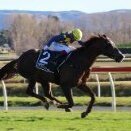
Thirty-three years after falling agonisingly short of Hong Kong Derby glory, Nick Etches returns to the city’s biggest race with high hopes of realising every owner’s dream with Invincible Ibis on Sunday. A long-time member of the Jockey Club and still a voting member, Etches almost tasted the ultimate success when his galloper Red Ruffian ran half a length second to Helene Star in the 1993 Derby. “We were standing here in the paddock – the old paddock in those days – thinking how lucky it was...View the full article -
 You would have to wonder how long the TAB is going to continue with OTG? Watched almost all of it tonight for the first time, anyone that hasnt watched it before would be horrified surely? Grown men acting like teenagers, stomping around the office shaking hands like kids when they get a collect! They were not betting responsibly at all despite the TAB and Betcha advertising the point! The wagering was all over the place and they started with near $20k and lost the lot!!! They had $4k and $2.5k win bets on greyhounds that the TAB accepted despite other punters not being allowed to wager a couple of hundred???? Nothing personal against any of the 4 presenters, however they must be getting told to act like idiots in front of the camera for some reason, as it is hard to believe that they would be acting like this away from the camera? Is there really anyone that thinks that this OTG is really painting racing in NZ in a good light???? If it is such a great thing for racing, then why doesnt Australia have such a show?? Go back to having one professional presenter on a Thursday night that knows what they are talking about, and let the punters offload to increase turnover and profit!
 -
It just shows you how the TAB treats punters differently? So the Out The Gate presenters are allowed a bet on to net $50,000!! Yet other punters are restricted to netting a few hundred??? Appalling!
-
 Not sure if that is a serious question or not. I can't really be bothered answering if you don't know but here's a quick AI summary to get you started. Do your own homework. Yes — there is a very strong and well‑documented relationship between stakes (purse money) and field size / starter numbers in racing. This relationship is recognised internationally and is a key factor in racing economics. Below is a clear summary using citable evidence. 📈 1. Higher stakes = larger fields (more starters) This relationship comes from basic economics: bigger financial incentives attract more owners and trainers to enter horses. Evidence: International racing economic analysis A major review of global racing metrics shows that jurisdictions that offer higher stakes produce larger field sizes and more starts per horse, because owners have a stronger economic incentive to race. [mdpi.com] This pattern is consistent worldwide: High‑stake jurisdictions (e.g., Hong Kong, Japan) have high average field sizes and high betting turnover. Jurisdictions with proportionally lower stakes (e.g., USA) have smaller fields and fewer horses per race. [mdpi.com] This confirms that purse levels directly influence how many horses line up. 📊 2. Stakes increases correlate with increased field size and starts A concrete example appears in U.S. racing data: When purses rose ~8%, field sizes increased 3.57%, and total starts increased 11.5% (an additional 1,675 starters). [pastthewire.com] This demonstrates a measurable response: raise stakes → more horses in the gate. 🏇 3. Why stakes affect starter numbers The connection is logical and supported by economic modelling: Owners enter more horses when: The expected return improves The financial risk of training decreases relative to potential payout The cost of transportation and preparation becomes justified Trainers also support higher stakes because: Their percentage earnings increase Competitive opportunities expand Connections are more willing to run horses more frequently Bioeconomic modelling (Massey University) confirms that financial incentives are one of the three major moderators determining racing industry behaviour and horse utilisation, directly affecting field size
 -

By Chief Stipe · Posted
Which they could gain at any number of racetracks. No bias, no emotion that's just a fact.
-
-
Topics
-